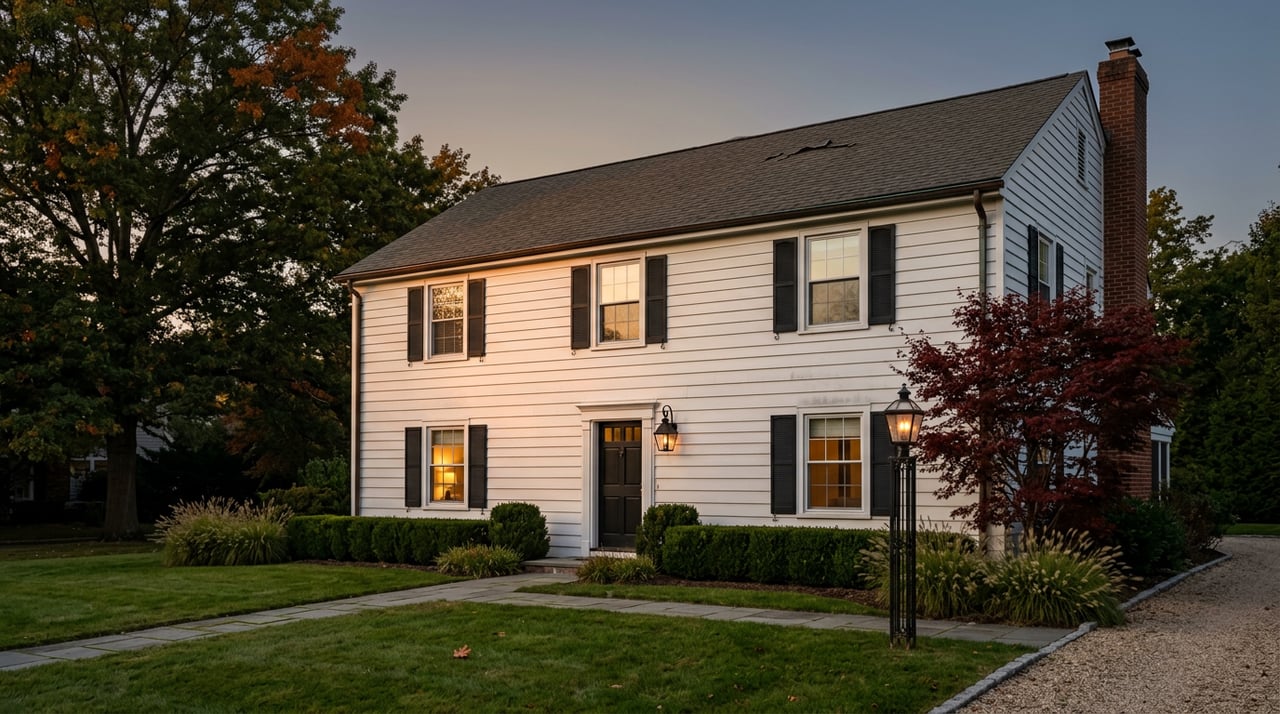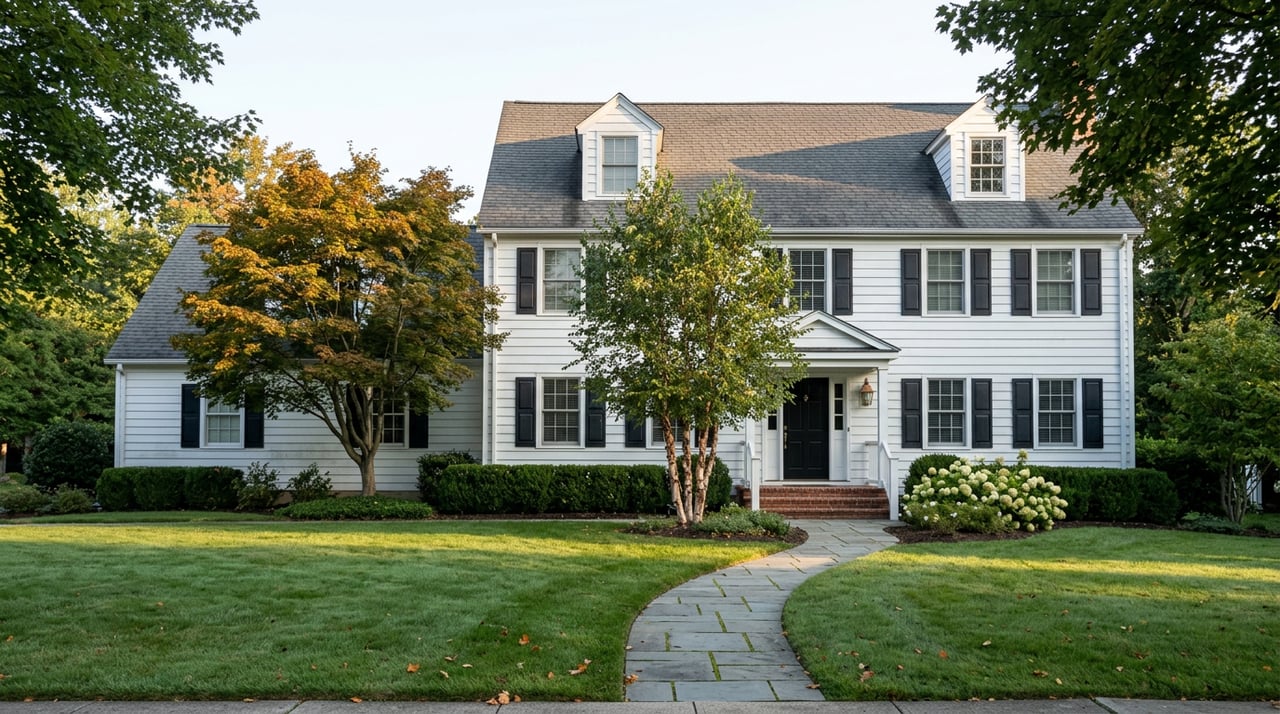
Most Needham sellers brace for a negotiation over price, or over whatever hairline crack the inspector circles in red pen. That's rarely what threatens the deal in a home built before 1960. The moment that actually stops a closing tends to happen away from the table entirely: an underwriter reading a file comes to a line about a basement tank or an electrical panel and simply declines to write the policy. No counteroffer fixes that. The buyer usually has thirty to sixty days to resolve the problem or lose the loan.
That single fact reorders how a Needham home should be prepared for market. In a meaningful share of the town's older inventory, two specific findings show up on almost every serious inspection: a heating oil tank that predates the neighborhood's later conversion to gas or electric, and knob-and-tube wiring that predates modern amperage. Neither is cosmetic. Both are underwriting problems, and underwriting problems run on a different clock than price negotiations do.
Why This Shows Up on Some Streets More Than Others
Needham's housing didn't arrive all at once. Charles River Village carries a large number of homes built between the 1940s and 1969, with a portion older still, and Needham Heights holds onto a genuine stock of vintage houses from that same stretch. The town's newer estate construction, much of it landing in the southwest corner since the 2000s, was built to modern electrical code with gas or electric heat from the start. The tank and the wiring belong to the older third of town, not to every Needham buyer's inspection.
For most of the twentieth century, homes in these older sections ran on heating oil delivered by companies that are still in business today. Needham Oil Complete traces its roots to 1872, when it started as a wood and coal outfit called Willett & Chadwick, before becoming Needham Oil Company in 1941. That kind of continuity explains why the older neighborhoods are dotted with tanks nobody currently living there remembers installing. It isn't a defect in the house. It's a byproduct of how long this town has been heating itself, and it means the fix is common, well understood, and handled routinely by the same local trades that have serviced these systems for decades.
The Tank Nobody Put on the Listing Sheet
An underground or abandoned oil tank never shows up in a listing description, but it surfaces fast once an inspector starts asking about heat source history or spots old supply piping in the basement. Under Massachusetts General Law Chapter 21E, whoever owned the property when contamination occurred carries cleanup liability, and Chapter 21O sets the permitting rules for taking a tank out of the ground. The paperwork trail matters as much as the tank itself.
Needham's own Fire Prevention office, at 88 Chestnut Street, is where that trail lives. The town's fire permit fee schedule lists a $50 charge to install a basement tank and a separate $50 charge to remove one, plus a $50 Smoke and CO Detector Certificate required for any home sale, valid for sixty days. If a seller can produce a signed permit showing a tank was properly removed years ago, a buyer's lender has documentation to work with. If that permit doesn't exist, the standard assumption among tank removal specialists is that the job was never inspected, which is its own red flag independent of whether the tank ever leaked.
The Massachusetts Department of Environmental Protection publishes its own homeowner guide to removing an underground heating oil tank, and the process it describes runs through excavation, soil sampling, and a written closure report, not a quick pump-and-haul. Finding a tank mid-inspection can pause a mortgage approval outright, because lenders want that closure documentation before they'll fund. A seller who orders removal and a closure report before listing, through a licensed contractor like CommTank, turns a financing risk into a line item a buyer's team can simply read and move past.
Two Different Problems, Side by Side
| Buried Oil Tank | Active Knob-and-Tube Wiring | |
|---|---|---|
| What trips the deal | No fire department closure permit on file | Insurer won't bind a policy, or ties coverage to removal within 30 to 60 days |
| Who signs off | Needham Fire Prevention, 88 Chestnut Street | A licensed electrician, then the buyer's insurance underwriter |
| Rough path to resolve | Excavation, soil test, written closure report | Mapping inspection first, then phased rewiring of live circuits |
The Wiring Problem That Insurance Decides, Not the Buyer
Knob and tube wiring was standard before the 1950s, and Needham has plenty of it. Because the system carries no ground wire, most standard insurers won't bind a policy on a home with active knob and tube, or they'll price it 50 to 100 percent higher, according to electricians who work on this wiring throughout the region. When a policy does get written, it usually comes with a condition: replace the wiring within 30 to 60 days of closing, or coverage lapses. Buyers who can't clear that window are left with the Massachusetts Property Insurance Underwriting Association, a fallback insurer of last resort that runs 30 to 60 percent above standard market rates.
There's a second, quieter risk. Once knob and tube gets buried under blown-in attic insulation, a common energy upgrade in older homes, it loses the open air it was designed to dissipate heat into. Electricians who specialize in this wiring, including Castle Electric, point to that exact combination as a leading cause of the fires that give the system its reputation. A home doesn't need a full rewire to fix this. Most start with a mapping inspection, often around $300, that traces which circuits are still live and which have already been retired, so the highest-risk runs get replaced first instead of guessing at the whole house.
Most pre-1960 homes also carry undersized 60-amp electrical service, a detail that shows up on the same inspection as the wiring itself. A seller planning to update one typically ends up updating the other at the same time, since a modern panel and modern wiring are sized to work together.
The buyer's financing depends on a policy the seller never sees being written. That's the part of the transaction that actually decides the timeline.
Before You List, Not After You're Under Agreement
- Pull the property's permit history through the town's OpenGov records portal or by calling Fire Prevention directly, to see whether a prior tank removal or wiring update was ever permitted.
- If tank history is unclear, order a sweep, and if one is found, arrange a full removal with soil testing and a written closure report before the home goes on the market.
- If the home predates 1950, have a licensed electrician run a mapping inspection to document which circuits are still live knob and tube.
- Disclose whatever the sweep and mapping inspection turn up. A documented, already-scheduled fix reads differently to a buyer's lender than an unresolved finding does mid-inspection period.
- Budget the fix into listing preparation rather than a closing credit. Contractors working on a normal schedule generally cost less than the same job compressed into a ten-day inspection contingency.
A Few Questions Worth Asking Directly
Do I have to disclose a known oil tank or knob-and-tube wiring when I sell in Needham? That's a conversation for your attorney, since disclosure specifics vary by transaction. What agents can tell you is that lenders and insurers surface both issues on their own during underwriting, so addressing them before listing tends to serve sellers better than waiting to see if a buyer's inspector finds them first.
If a previous owner already removed the tank, does that permit still count? A signed permit on file with Needham Fire Prevention documents that specific job at that specific address, so if you can produce it, it's valid proof no matter how many owners have come since. If you can't find one, the standard assumption among tank removal specialists is that the work was never inspected, whether or not a prior owner mentioned it at their own closing.
Can a buyer still get a mortgage with active knob-and-tube in the house? Often yes, but usually with a condition attached. Financing guidelines generally allow older wiring if it's functioning safely and rated for at least 60 amps. The insurance policy the lender requires at closing is the more likely sticking point, since many insurers won't bind coverage on active knob and tube without a plan to remove it within 30 to 60 days.
Neither of these problems should scare a seller off an older Needham home, and neither should scare off a buyer who wants one. Both have known costs, known contractors, and known timelines. The only real risk is discovering either one after an offer is already signed, when the clock belongs to the lender instead of to you.
If you're weighing when to list a Needham home built before 1960, or you want a clearer read on what your specific property might be carrying in the basement or behind the walls, The Bauman Group can walk through it with you. Get a Free Home Valuation and we'll start with what your house actually needs before it goes to market, not after.