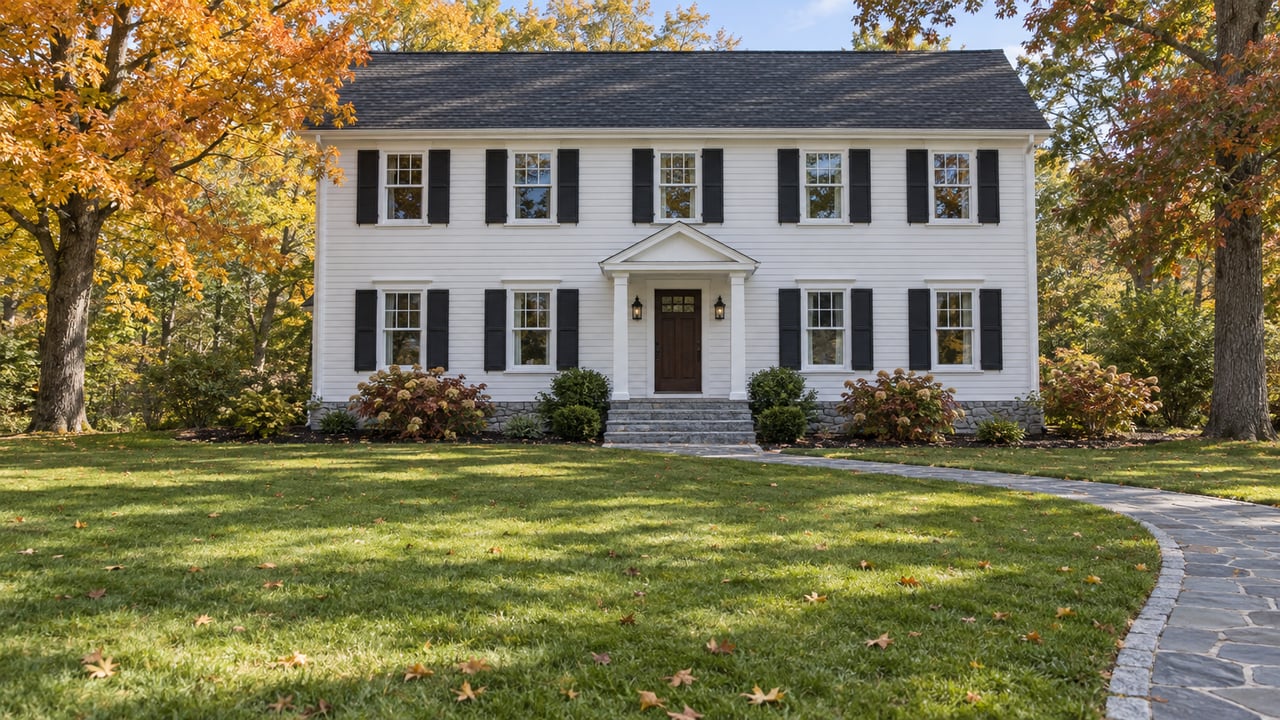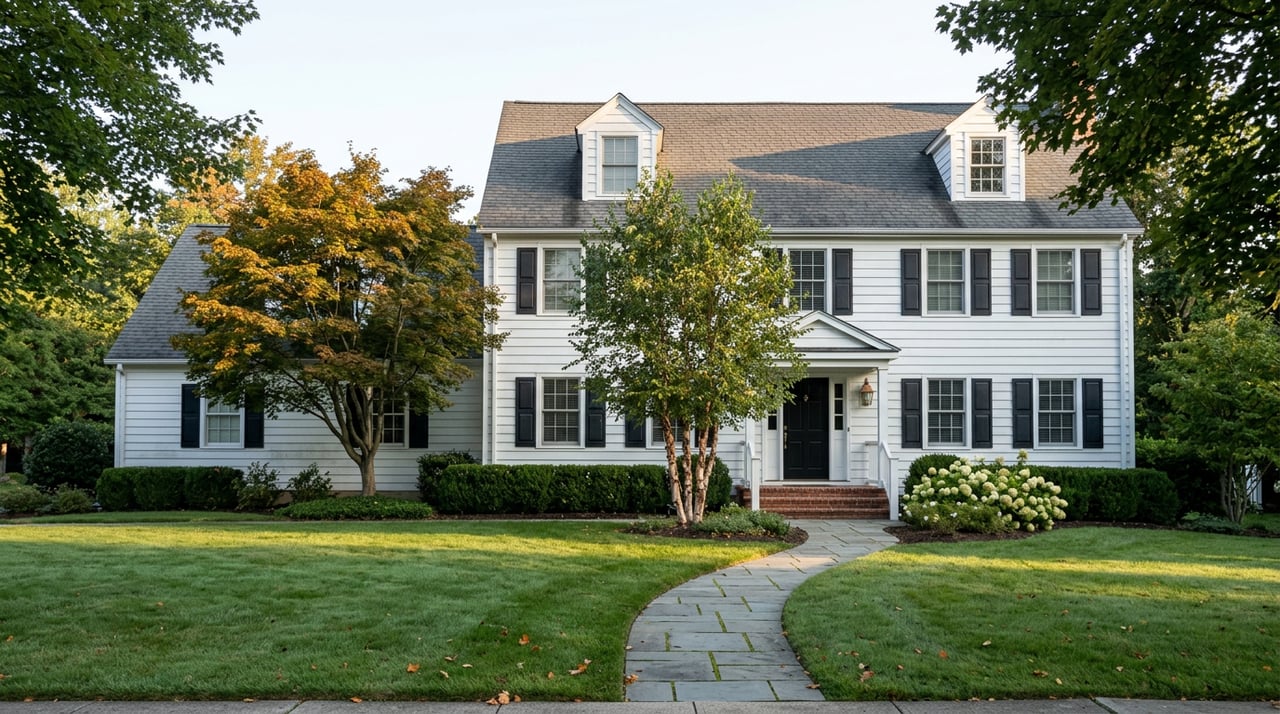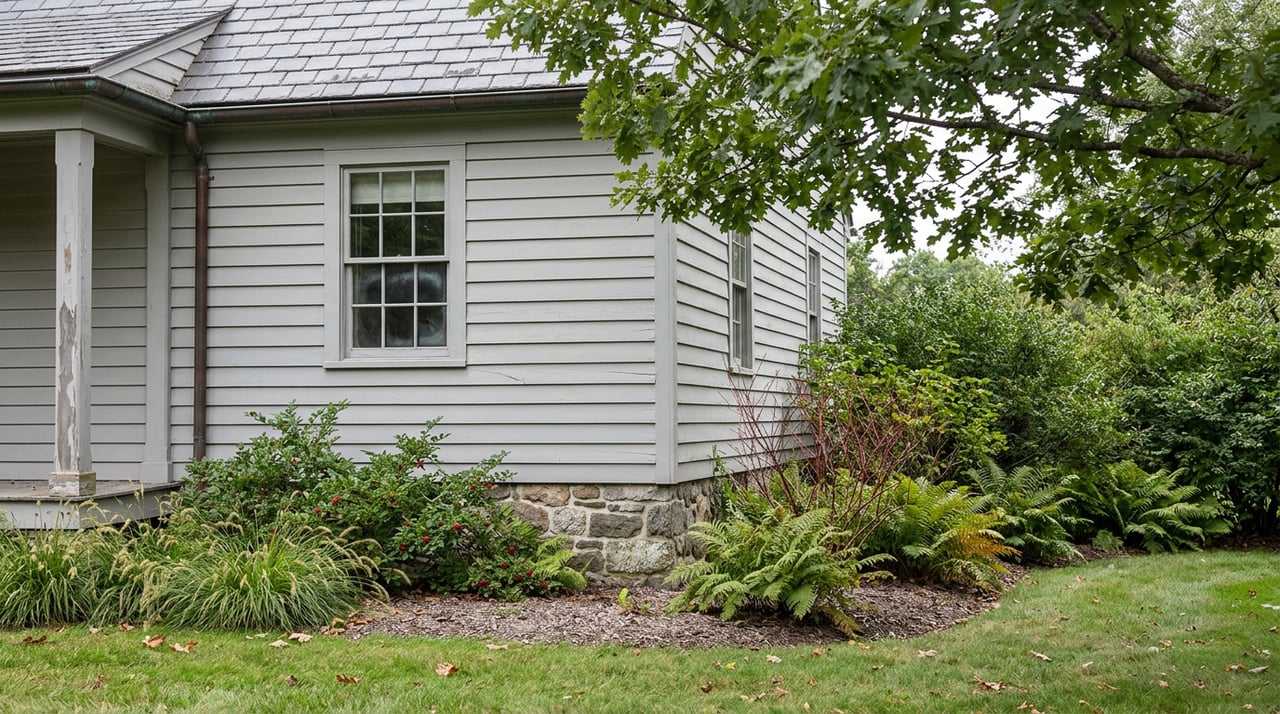
Two houses go under agreement in Weston on the same week, both Colonials, both priced in the low $2 millions, both a ten minute drive from the town center. One buyer closes, pulls a building permit, and starts demolition six weeks later. The other buyer closes and waits. And waits. Eleven months pass before a shovel touches the ground.
The difference has nothing to do with financing, inspection contingencies, or who negotiated harder on price. It comes down to two facts that never appear on a listing sheet: the year the house was built, and how many feet it sits from a wetland, pond, or stream. In Weston, those two facts, not the purchase price, decide how long a renovation actually takes.
Three Boards, One Closing Date
Most buyers assume that once a deal closes, the timeline belongs to their contractor. In Weston, it belongs to whichever town board has jurisdiction, and more than one often does.
The Historical Commission reviews anything built in or before 1945. The Conservation Commission reviews anything near a wetland resource area. The Board of Health applies stricter septic rules to roughly half the town under a separate water protection overlay. None of these boards check with each other before a buyer writes an offer. All three can be triggered by the same property.
| Trigger | Board | What Sets It Off | What It Can Control |
|---|---|---|---|
| Construction date | Historical Commission | Built in or before 1945 | Whether demolition or major exterior change proceeds, or is delayed |
| Distance to water | Conservation Commission | Within 100 feet of a wetland, pond, or intermittent stream, or 200 feet of a year-round stream | Grading, footprint, tree removal, drainage design |
| Location in the Cambridge Water Supply Zone | Board of Health | Roughly half the town, by parcel | Septic system design and Title 5 compliance standard |
A house can trip all three at once. Picture a hypothetical 1932 farmhouse forty feet from a brook, sitting inside the water supply zone. That is not a renovation project. It is three separate applications running on three separate clocks.
The Year on the Deed Matters More Than the Curb Appeal
Weston's Historical Commission draws its line at 1945. Any building put up in that year or earlier counts as historic by the town's own definition, though not every one of those buildings goes on to be labeled "significant." The word "significant" is the one that matters. If the Commission decides a pre-1945 structure meets that bar, a demolition or major alteration triggers a formal delay period.
The town is direct about how long that can run. The Commission can lift the delay early if an acceptable alternative is worked out, but in practice twelve months is the outer limit it holds a project to. That means a buyer should plan around a full year, not treat it as a worst case someone invented to scare people.
What surprised me most in researching this piece was not the bylaw itself. It was finding that the town publishes a guidance page written directly to real estate agents, instructing them to raise this before a buyer ever signs an offer. The page asks agents to notify them of the importance the Town places on its history, and it goes further than most municipal guidance I have read anywhere in Massachusetts. If a buyer's plan is to tear down a significant home and start over, the town's instruction to the agent is blunt: discourage that buyer from the property and "steer them to another location in Weston."
The guidance makes the town's preservation priorities clear. Buyers considering demolition of a significant home should understand the review process and possible delay before making an offer.
The 25 Feet That Slow Down Even the Golf Club
The wetland rules are also specific. Work within 100 feet of a wetland, pond, or intermittent stream, or within 200 feet of a year-round stream, has to go in front of the Conservation Commission. Inside that outer buffer sits a smaller, stricter ring: Weston's Building Department says no work of any kind is permitted within 25 feet of the wetland itself.
These are not rules that only catch homeowners who skipped their homework. A Weston Observer report on hearing notices published this past spring describes three very different applicants running into the same overlapping zones in the same month. The Weston Golf Club filed a Notice of Intent for work at 275 Meadowbrook Road that touched the wetland buffer, the Riverfront Area, and the No Disturb Zone all at once, covering cart path replacement and drainage upgrades tied to the club's historic golf features. Homeowners also filed for porch reconstruction and two additions, landing in the same buffer and riverfront zones. Meadowbrook School's plan to rebuild a shed at 10 Farm Road fell under the same buffer rule for the same reason.
A golf club with a maintenance staff, a family renovating their own porches, and a private school all filed the same kind of application within weeks of each other. That is the pattern worth remembering. Proximity to water does not care what kind of buyer you are.
The Water Zone You Can't See From the Curb
Layered on top of both of those is a third overlay that has nothing to do with wetlands or history. More than half of Weston's parcels sit inside the Cambridge Water Supply Zone, and septic systems inside that zone have to meet a stricter version of the state's Title 5 standard than lots outside it.
For a buyer evaluating an older home on a large lot, this matters because septic work is often the thing that surfaces last in due diligence and moves fastest once it starts. A failed or marginal Title 5 test inside the water supply zone does not get the standard state fix. It gets the stricter one, on a design timeline that has to work around whatever the Historical and Conservation reviews are already doing to the site plan.
Sequencing Due Diligence Before You Write the Offer
None of this is a reason to avoid Weston's older housing stock, which is a large part of why buyers want to be here in the first place. It is a reason to sequence the homework differently than you would in a town without these three overlapping boards.
- Pull the construction date from the Assessor's records before the showing, not after the offer. Anything at or before 1945 needs a Historical Commission conversation early.
- Check the town's MapsOnline layer for wetland resource areas and the Cambridge Water Supply Zone boundary. A lot that looks dry can still sit inside a mapped buffer, since not every wetland resource is obvious from the yard.
- If the home is pre-1945 and you have any interest in altering the exterior or footprint, ask directly whether the Historical Commission has already flagged the property as significant, rather than assuming it hasn't been reviewed.
- If the lot touches or sits near a pond, stream, or wetland, get a wetland delineation opinion before your inspection contingency expires, not after.
- If septic is on site rather than town sewer, confirm whether the parcel falls inside the water supply zone before you budget for Title 5 work, since the stricter standard changes both cost and design.
Doing this before the offer, rather than during the due diligence period, is the difference between a contingency that protects you and a closing date that has already locked you into a timeline you didn't choose.
What This Means at the Table
The instinct in a competitive market is to treat every additional question as friction that slows down an offer. Here, the opposite is true. A buyer who asks about construction date, wetland proximity, and water zone status before submitting an offer is the one who negotiates from strength, because they know what they are actually buying: a house, and a timeline. A buyer who skips that step finds out the timeline after the ink is dry, when there is far less room to negotiate anything.
This is the kind of groundwork The Bauman Group builds into a Weston search from the first showing, not the closing table. Knowing which board is likely to review a property, and how long that board's process typically runs, changes how a purchase and sale gets written, what contingencies get included, and how a buyer sets expectations with a contractor before they've even made an offer.
A Few Questions Worth Asking Directly
Does the demolition delay apply if I only want to renovate, not tear down? The Historical Commission's review is triggered by demolition or significant exterior alteration of a structure deemed significant, not by interior work alone. A gut renovation that preserves the exterior envelope is a different conversation with the Commission than a teardown, and it is worth having that conversation before finalizing design plans.
Can the twelve-month delay be shortened? Yes. The Commission has the authority to lift it early once an acceptable resolution is reached, which in practice means working with the Commission toward a preservation-minded compromise rather than treating the full year as fixed.
How do I find out if a specific lot sits in the Cambridge Water Supply Zone before I schedule a showing? The Building Department's guidance points buyers and agents to the town's zoning overlay maps, and the Board of Health can confirm a parcel's status directly at 781-786-5030 before you invest time touring a property that carries the stricter Title 5 standard.
Where can I see what the Conservation Commission is currently reviewing? Public hearing notices are published in the Weston Observer ahead of each meeting, and agendas post to the town's website at least 48 hours in advance, so it is possible to see exactly which addresses are moving through the process before you make an offer on a nearby property.
If you're weighing a Weston property with any of these questions in play, reach out to The Bauman Group for a free home valuation and a straight read on what the timeline actually looks like before you write the offer.
This article is general information, not legal, tax or financial advice. Consult a qualified professional about your situation.