If you want more space, more privacy, and a daily routine that feels calmer without cutting ties to Boston, Dover deserves a closer look. For many buyers, the challenge is finding a town that feels genuinely rural but still works for commuting, errands, and staying connected to Greater Boston. Dover stands out because it offers that balance, and understanding its setting can help you decide whether it fits your next move. Let’s dive in.
Why Dover Feels Different
Dover has a distinctly country-like character that is hard to replicate this close to Boston. The town describes itself as predominantly residential, with scenic roads and visible reminders of its farming history, including open pasture, stone walls, barns, and farmhouses. That backdrop shapes the experience of living here in a way that feels quieter and more spread out than many nearby suburbs.
Dover is in Norfolk County and sits about forty minutes from downtown Boston. It borders Needham, Natick, Medfield, Sherborn, Walpole, and Westwood, which helps place it within the Greater Boston orbit while still feeling removed from busier, denser town centers. If you are looking for a true outer-ring suburban setting, Dover checks that box.
Dover Homes and Land
One of Dover’s defining features is its low-density housing pattern. According to the town’s housing-production plan, the landscape includes rolling hills, open pastures, pine forests, and river corridors. That natural setting supports a residential environment with more breathing room and a stronger sense of separation between homes.
The same plan notes that about 49 percent of Dover is conserved as protected or semi-protected open space. That is a meaningful number for buyers who value land preservation and a more consistent visual character over time. It also helps explain why drives through town feel green, open, and less built up than in many suburbs closer to the city.
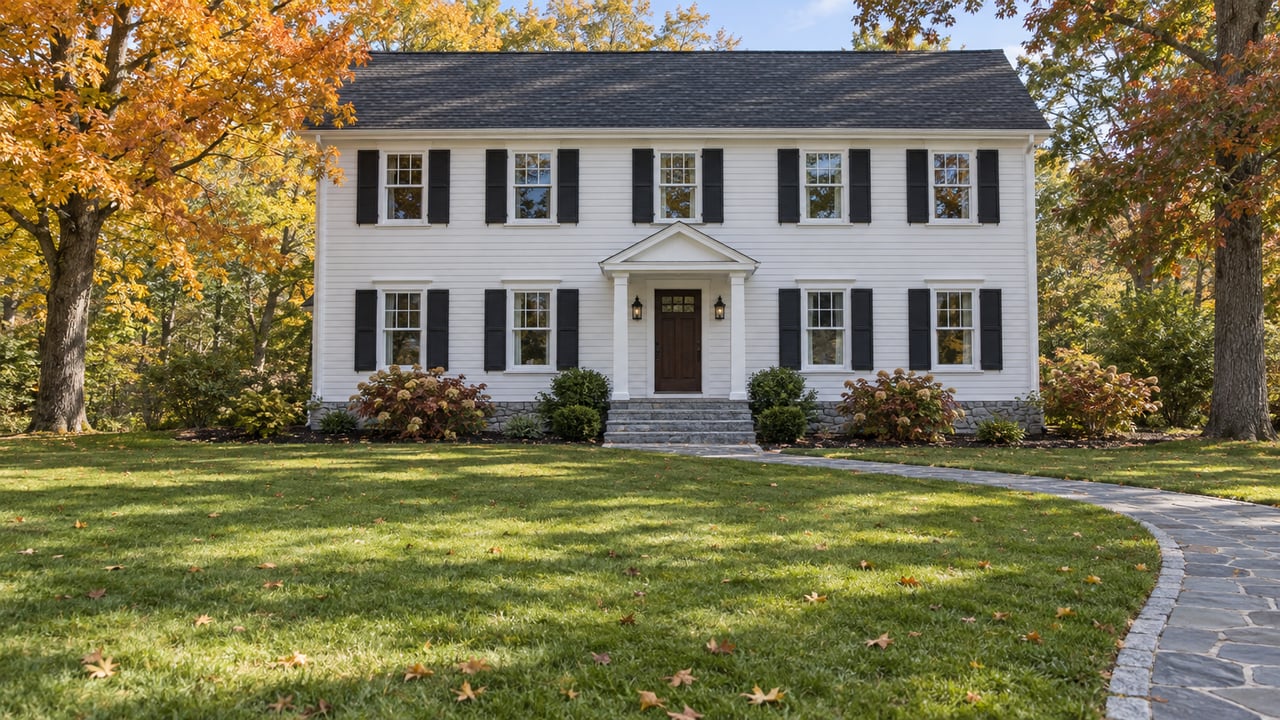
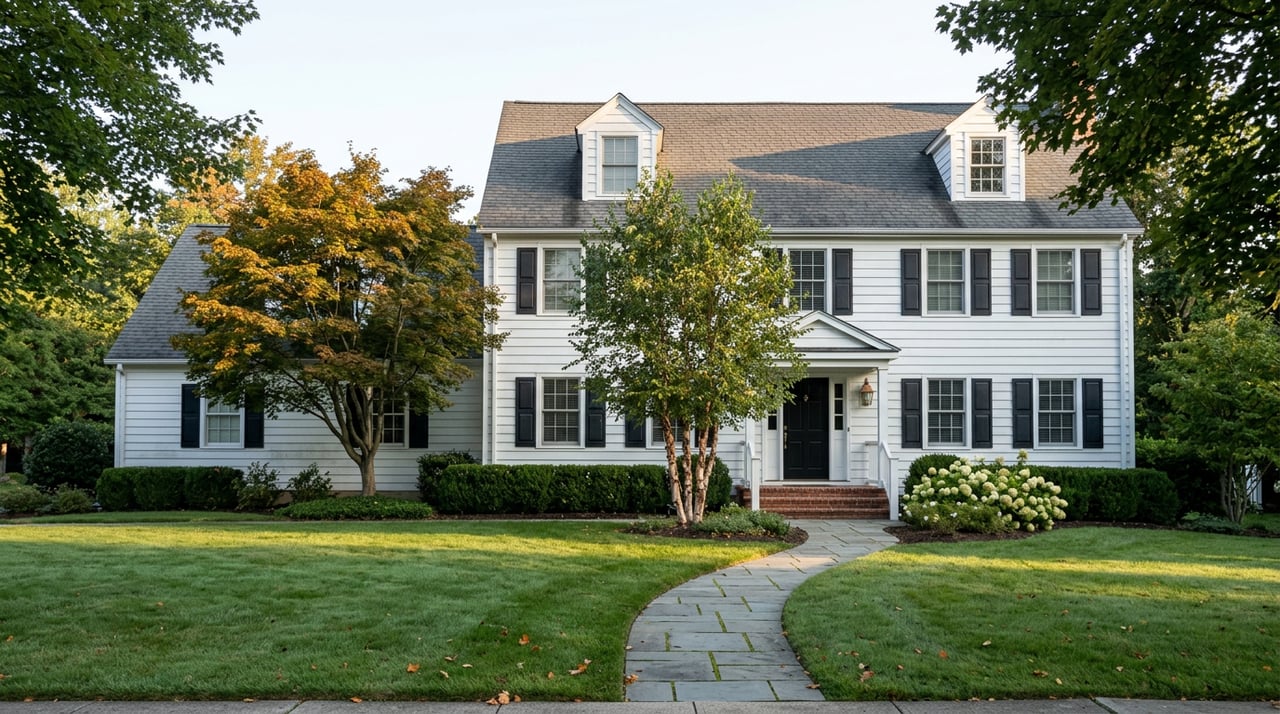
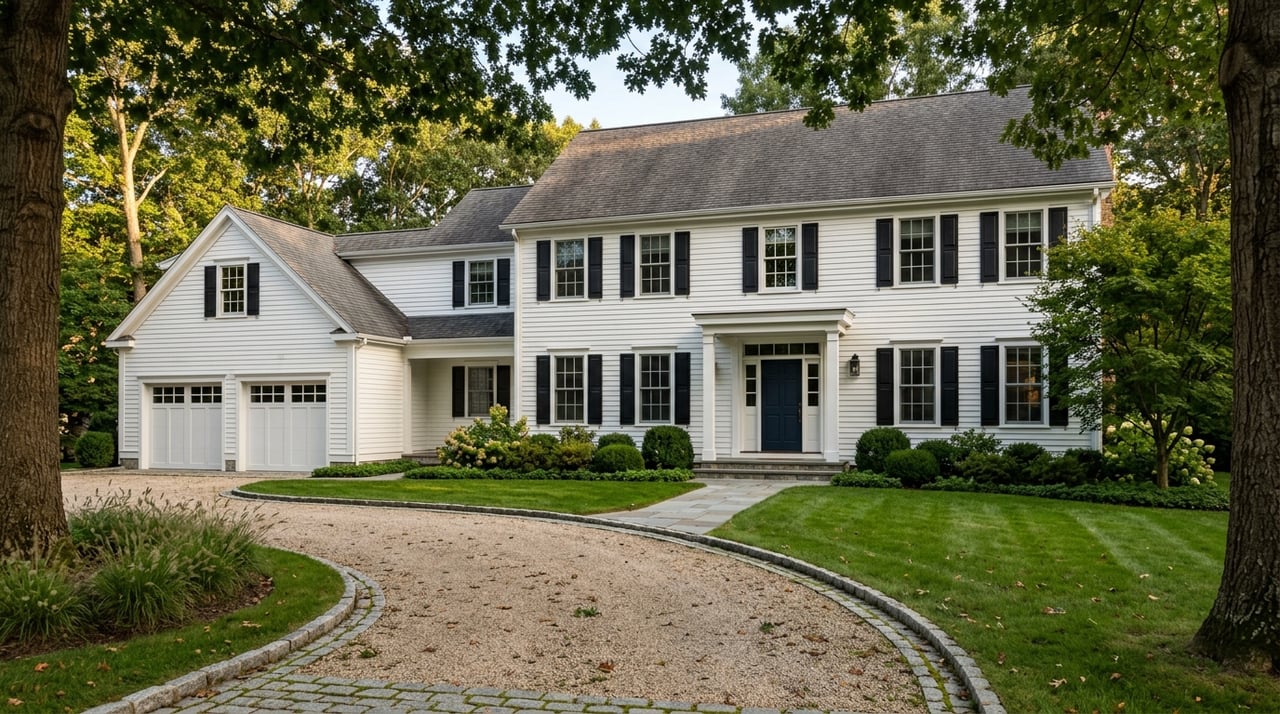
Dover is also known for large parcels and an equestrian heritage that support multimillion-dollar single-family homes on one- to three-acre lots. In practical terms, that often means buyers come here for privacy, expansive yards, and an estate-suburb feel rather than compact neighborhoods or smaller-lot living. If your wish list includes room to spread out, Dover’s housing fabric is a big part of its appeal.
Outdoor Living Is Part of Daily Life
In Dover, outdoor access is not just an occasional perk. It is woven into daily routines. The town’s 2025 report says Dover-owned public conservation lands exceed 600 acres and are open for walking, biking, cross-country skiing, and horseback riding.
This matters because the lifestyle here often extends beyond your property lines. Residents have access to a broad trail and open-space network that supports everything from a quick morning walk to longer weekend outings. The town also notes that volunteers and the land-management team help keep trails clear and maintain the system, which adds to usability throughout the year.
Notable Places to Explore
Several public spaces help define Dover’s lifestyle:
- Caryl Park is an 83-acre public park bordering Noanet Woodlands.
- Channing Pond offers fishing, hiking, picnic tables, and seasonal ice skating.
- Charles River Boat Landing and Riverside Boat Landing provide water access.
- Chase Woodlands includes 2.5 miles of easy trails.
- Wylde Woods is noted for cross-country skiing.
- Valley Farm and Springdale Meadows offer pastoral walking routes.
For buyers comparing towns, this kind of access can be a major deciding factor. It supports a slower-paced, outdoors-oriented rhythm that many people want when moving from a denser neighborhood or a smaller property.
Noanet, Hale, and Regional Trails
Two of the area’s best-known outdoor destinations help elevate Dover’s reputation even further. Noanet Woodlands is a 607-acre preserve with more than 16 miles of trails, views of the Boston skyline from Noanet Peak, and connections to Hale Reservation and Powisset Farm. That combination gives you a strong sense of escape while keeping you firmly within the suburban Boston region.
Hale Reservation spans 1,200 acres across Dover and Westwood, with a 15-mile trail system and four ponds. Its uses range from passive recreation to camps and outdoor education. For households that value year-round outdoor options, these resources add real lifestyle depth.
Dover also connects into a broader regional network. The Charles River Link Trail runs 16 miles and links Dover with Medfield, Natick, Needham, Newton, and Wellesley. That kind of inter-town trail access is a meaningful advantage if you enjoy long walks, trail runs, or bike rides that go beyond a single conservation area.
Farms Add to Dover’s Rural Identity
Dover’s rural feel is reinforced by its working farms and community agriculture. Powisset Farm is one of the clearest examples. It is a working farm with a loop trail, CSA program, farm store, teaching kitchen, culinary programming, summer camp, and year-round public events.
That mix gives Dover more than scenic appeal. It adds activity, tradition, and practical ways to engage with the landscape. For many buyers, especially relocators, it helps make Dover feel like a real community rather than just a collection of large homes.
The town also lists other CSA farms, including Vanguarden and The Dover Farm. Together, these features support the sense that Dover remains connected to its agricultural roots. If you are looking for a suburb where open land feels active and visible, not just preserved on paper, Dover stands apart.
A Small Center With Community Anchors
Dover is not a town where the lifestyle revolves around a busy downtown district. Instead, civic life is concentrated in a smaller town center. The housing-production plan says this village center is largely municipally owned and includes the Town House, Library, Caryl Community Center, Highway Garage, and everyday services.
That setup contributes to Dover’s overall feel. You get important public spaces and community functions without the density and commercial intensity found in larger centers. For buyers who prefer a quieter environment, that can be a plus.
The Caryl Community Center has become the Parks and Recreation hub since its September 2025 reopening. The library also emphasizes events for all ages, and Caryl Park adds playgrounds, tennis, pickleball, ballfields, and maintained trails. Taken together, these spaces help support daily life, local programming, and casual gathering points.
What Commuting to Boston Looks Like
Dover’s location appeals to buyers who want access to Boston without living in a dense commuter suburb. The town is about forty minutes from downtown Boston, but the commuting experience is mostly car-oriented. That is an important expectation to have going in.
Dover does offer JFK Transportation rides to local destinations and Boston on weekdays, which may be useful for some residents and appointment-based travel. For commuter rail access, many residents look to neighboring Needham. Needham has four MBTA commuter rail stops with regularly scheduled service from South Station.
Drive-to-Rail Is the Practical Model
Dover’s former village-center commuter rail station no longer exists. The former rail right-of-way now connects to trails in Needham and Medfield. So if you are evaluating daily logistics, the practical transit model today is generally drive-to-rail rather than walk-to-station living.
For many buyers, that tradeoff is worth it. You give up direct station-centered convenience, but you gain larger lots, more privacy, stronger conservation land, and a setting that feels much more removed from the city than the drive time might suggest.
Who Dover Often Appeals To
Dover tends to resonate with a few common buyer profiles. If you are moving up from a smaller suburban home or transitioning out of Boston, the town can offer a meaningful increase in land, privacy, and access to nature. If you are relocating and trying to understand the difference between close-in suburbs and outer-ring communities, Dover presents a distinct lifestyle option.
It can also appeal to longtime homeowners who are thinking carefully about long-term fit. Some people are drawn to Dover because they want a home environment that feels settled, scenic, and less hurried. Others are focused on the combination of estate-style properties and continued access to Greater Boston.
The Real Appeal of Dover Living
At its core, Dover offers a rare balance. You get estate-scale lots, extensive protected open space, working farms, and a strong trail network, all within reach of Boston and neighboring commuter rail options. That is not a common combination in the Greater Boston market.
For the right buyer, Dover is not just about buying a house. It is about choosing a daily environment that feels more spacious, more natural, and more private while staying connected to the region. If that is what you are searching for, Dover is well worth exploring in person.
If you are considering a move to Dover or comparing it with nearby towns like Needham, Sherborn, Weston, or Wellesley, working with a team that understands the nuances of MetroWest can make the process much clearer. For thoughtful guidance on Dover homes, local market strategy, and your next move, connect with The Bauman Group.
FAQs
What makes Dover feel rural even though it is close to Boston?
- Dover has scenic roads, open pasture, stone walls, barns, farmhouses, large residential lots, and a significant amount of protected open space, all of which contribute to its country-like setting.
How far is Dover from downtown Boston?
- Dover is about forty minutes from downtown Boston, according to the town.
What kind of outdoor recreation is available in Dover?
- Dover offers walking, biking, cross-country skiing, horseback riding, fishing, picnicking, seasonal ice skating, water access, and extensive trail networks across conservation land and regional preserves.
What are some well-known outdoor destinations in Dover?
- Notable spots include Noanet Woodlands, Hale Reservation, Caryl Park, Channing Pond, Chase Woodlands, Wylde Woods, Valley Farm, Springdale Meadows, and the Charles River Link Trail.
Is Dover a walk-to-train town for Boston commuters?
- No. Dover’s former village-center commuter rail station is gone, so the current transit pattern is generally drive-to-rail, with nearby Needham offering four MBTA commuter rail stops.
What type of homes are common in Dover?
- Dover is known for single-family homes on large parcels, including one- to three-acre lots, with many properties reflecting the town’s estate-suburb character.